%2Ffit-in%2F250x250%2Fguide_websites%2F20544%2Fimages%2F1736970709895fishingchartericons.png&w=1920&q=100)
/users/a5d5a8c3-ec9f-4cc0-9990-398af7f69154/ratecard/tbfish3.jpg)
%2F300x300%2Fusers%2Fa5d5a8c3-ec9f-4cc0-9990-398af7f69154%2Fratecard%2Ftbfish3.jpg&w=256&q=75)
%2F300x300%2Fusers%2Fa5d5a8c3-ec9f-4cc0-9990-398af7f69154%2Fimages%2Fanglers-land-big-catch-buccoo-2560.jpg&w=256&q=75)
%2F300x300%2Fusers%2Fa5d5a8c3-ec9f-4cc0-9990-398af7f69154%2Fimages%2Fpicturesque-buccoo-2506.jpg&w=256&q=75)
%2F300x300%2Fusers%2Fa5d5a8c3-ec9f-4cc0-9990-398af7f69154%2Fimages%2Ffishing-buccoo-2579.jpg&w=256&q=75)
%2F300x300%2Fusers%2Fa5d5a8c3-ec9f-4cc0-9990-398af7f69154%2Fimages%2Fimpressive-fishing-outing-buccoo-2558.jpg&w=256&q=75)
%2F300x300%2Fusers%2Fa5d5a8c3-ec9f-4cc0-9990-398af7f69154%2Fimages%2Fbuccoo-scenic-view-2598.jpg&w=256&q=75)
%2F300x300%2Fusers%2Fa5d5a8c3-ec9f-4cc0-9990-398af7f69154%2Fimages%2Fbuccoo-coastal-charm-2352.jpg&w=256&q=75)
%2F300x300%2Fusers%2Fa5d5a8c3-ec9f-4cc0-9990-398af7f69154%2Fimages%2Ffishing-adventure-buccoo-2495.jpg&w=256&q=75)
%2F300x300%2Fusers%2Fa5d5a8c3-ec9f-4cc0-9990-398af7f69154%2Fimages%2Ffisherman-bountiful-buccoo-catch-2567.jpg&w=256&q=75)
%2F300x300%2Fusers%2Fa5d5a8c3-ec9f-4cc0-9990-398af7f69154%2Fimages%2Fmutton-snapper-buccoo-2543.jpg&w=256&q=75)
%2F300x300%2Fusers%2Fa5d5a8c3-ec9f-4cc0-9990-398af7f69154%2Fimages%2Fhuge-fish-caught-buccoco-2389.jpg&w=256&q=75)
Trinidad's Premier Half-Day Offshore Fishing
 Trinidad and Tobago
What you will be catching:
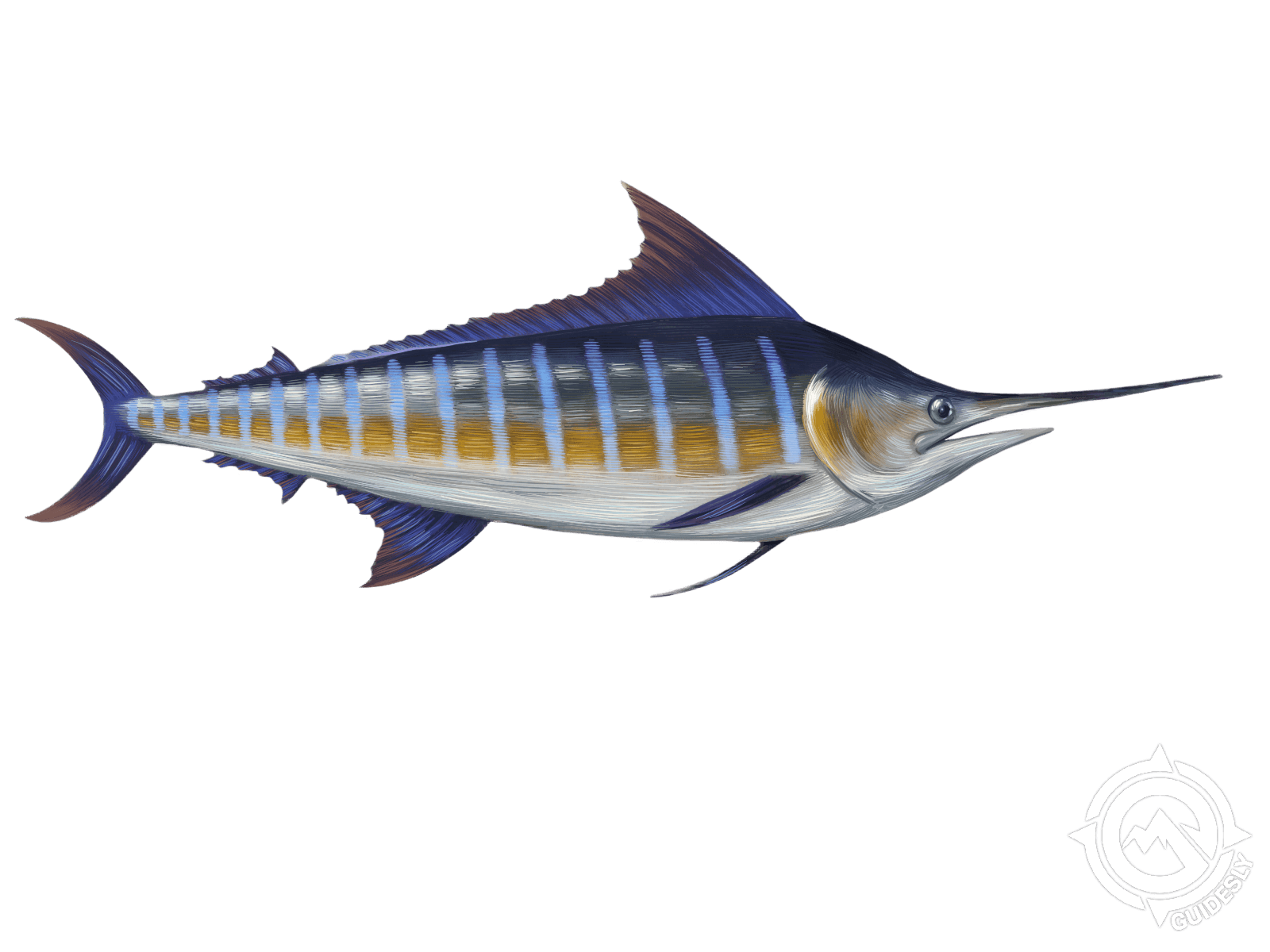
 Blue Marlin
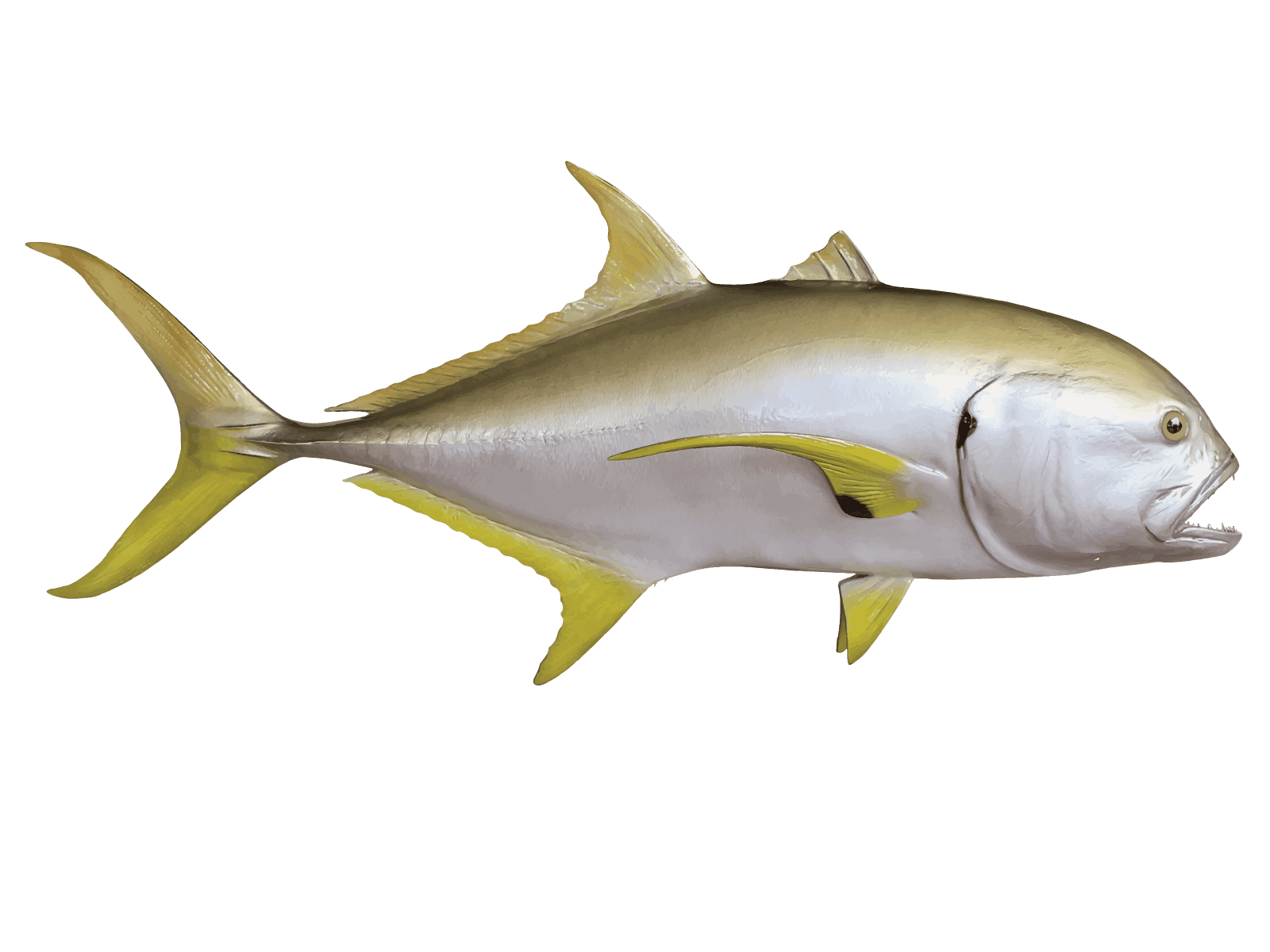
 Crevalle Jack
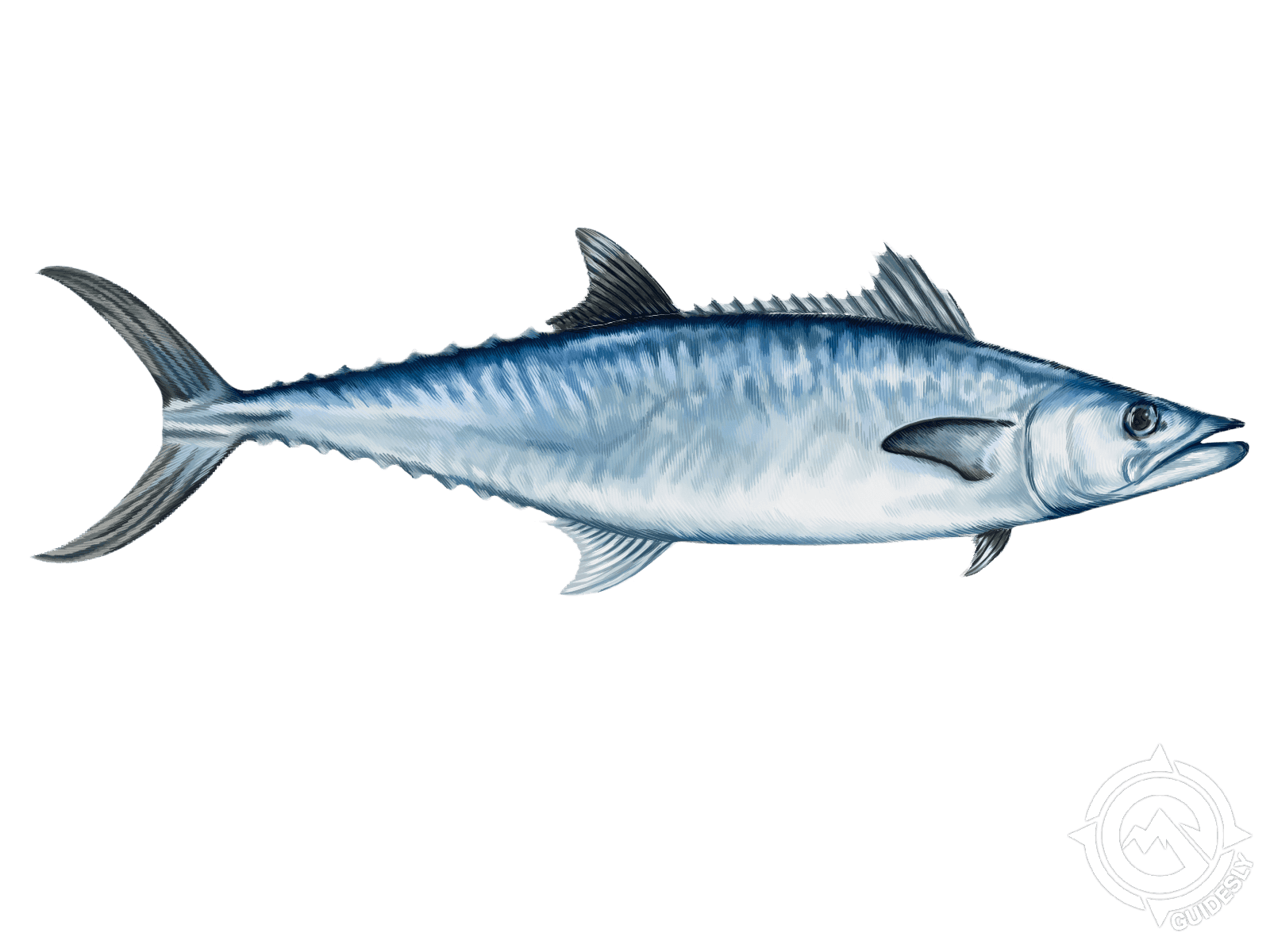
 King Mackerel
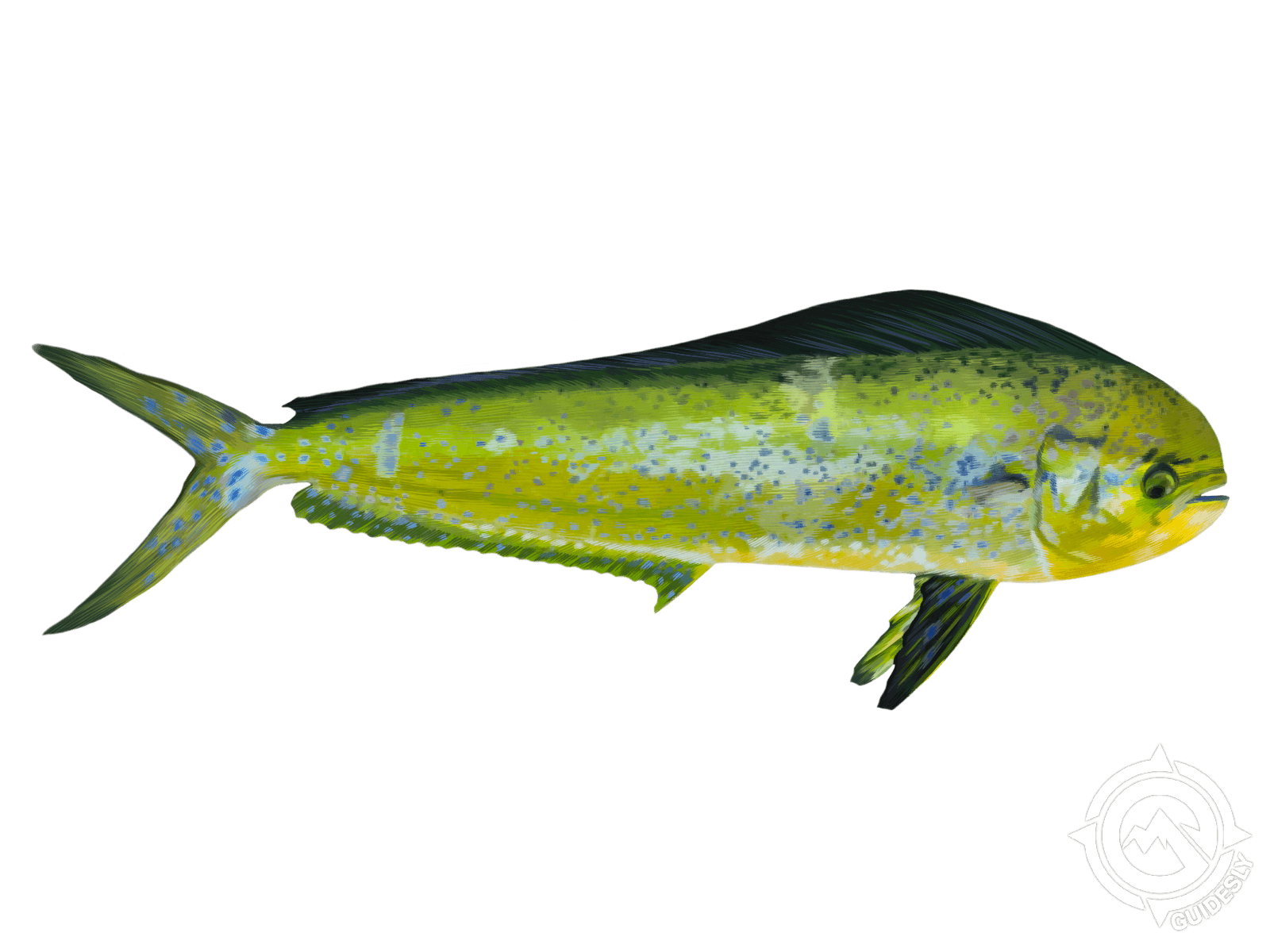
 Mahi Mahi or Common Dolphinfish
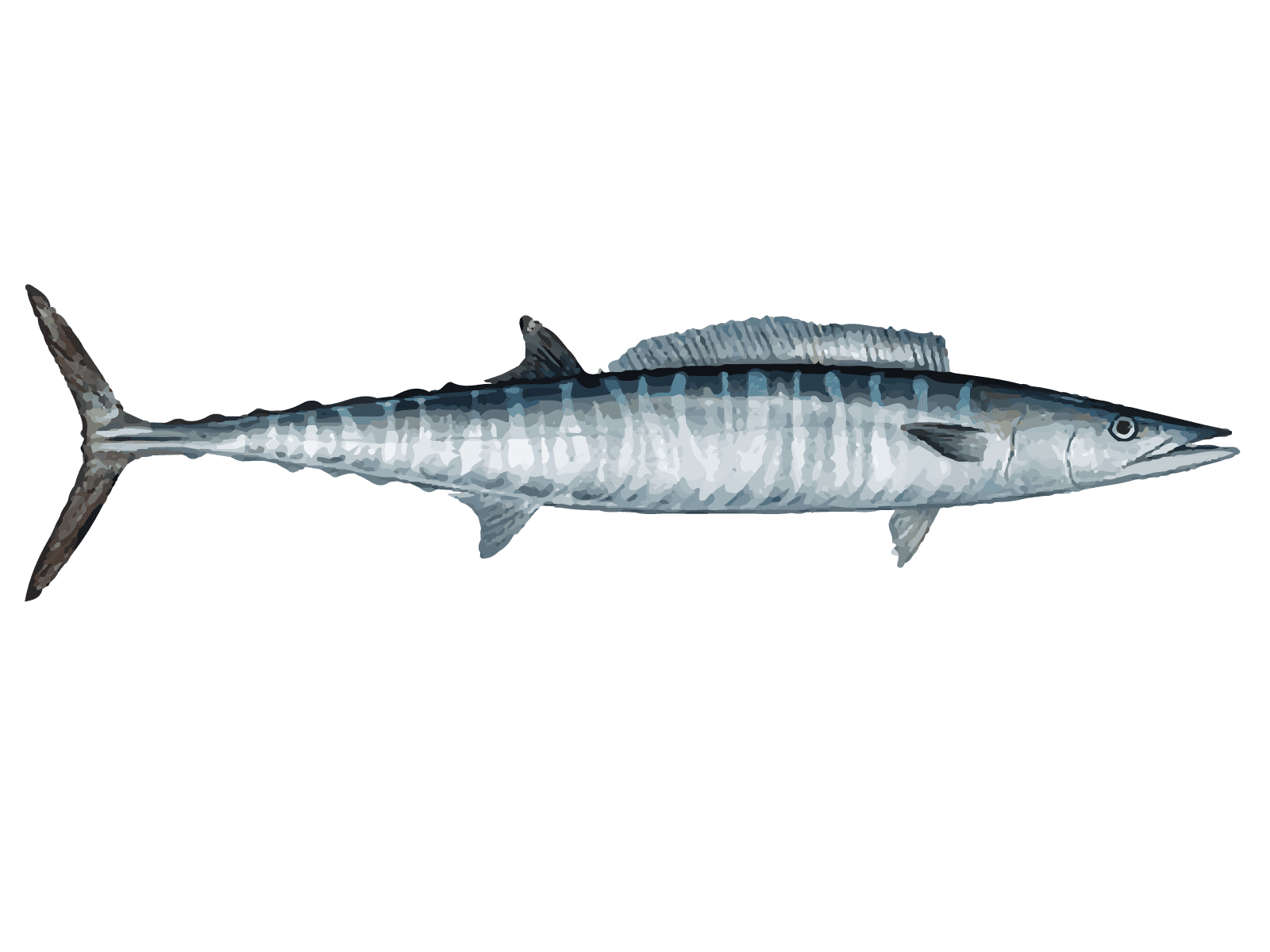
 Wahoo Fish
- Half-day offshore fishing targeting Blue Marlin and Jack Crevalle
- Expert guides provide assistance for all skill levels aboard vessel
- Accommodates up to 4 guests with Caribbean ocean views included
Trip Pricing and Availabilities:
Half-Day Marlin Mayhem: Trinidad's Hotspot
Hey there, fishing fans! Ready to hit the waves for some serious action? Our half-day morning trip off Trinidad and Tobago is the real deal. We're talking world-class fishing that'll have you hooked from the moment you step on board. Whether you're a seasoned pro or just getting your feet wet, our expert guides know exactly where the big ones are hiding. Picture yourself battling a Blue Marlin as the sun rises over the Caribbean – that's what we call a perfect morning!
What's the Catch?
Alright, let's break it down. You and three buddies will hop aboard our top-notch charter for a four-hour fishing frenzy. We're not messing around – we're after the heavyweights like Blue Marlin, Mahi Mahi, and Wahoo. Our local skippers have been doing this for years, so they know all the sweet spots where these monsters hang out. No need to pack a lunch; we're all about maximizing your time on the water. Just bring your A-game and maybe a snack if you get the munchies. Trust me, with all the action you'll be seeing, food will be the last thing on your mind!
Reeling in the Big Ones
Now, let's talk tactics. We're not just tossing lines and hoping for the best. We use a mix of trolling and live bait fishing to target different species. For those Blue Marlins, we'll be pulling lures or rigged baits behind the boat, cruising at the perfect speed to entice those big billfish. When we're after Jack Crevalle or Kingfish, we might switch it up with some live bait action. Don't worry if you're new to this – our crew will show you the ropes, from setting the drag to the perfect hook-set technique. And let me tell you, there's nothing like the screaming run of a Wahoo hitting your line – it's the kind of thrill that keeps anglers coming back year after year.
Target Species Lowdown
King Mackerel: These speedsters are a blast to catch. They're known for their blistering runs and can hit speeds up to 60 mph. We usually find them in the 15-30 pound range, but don't be surprised if you hook into a 50-pounder. They're around all year, but peak season is from November to May. Anglers love 'em for their fight and their tasty fillets.
Blue Marlin: The crown jewel of sportfishing. These beauties can top 1,000 pounds, though we usually see them in the 200-400 pound class around here. They're most active from June to October. When a Blue Marlin hits, hold on tight – their acrobatic leaps and powerful runs are the stuff of fishing legend. It's catch-and-release for these giants, but the photos and memories last a lifetime.
Mahi Mahi: Also known as Dorado or Dolphinfish, these are some of the most beautiful fish in the sea. Their electric blue and gold colors are stunning. They're fast growers and great fighters, usually in the 15-30 pound range. Peak season is April to August. Mahi are known for their aerial displays when hooked, and they're absolutely delicious if you decide to keep one for dinner.
Wahoo: If you want speed, Wahoo is your fish. These streamlined predators can swim up to 60 mph and are known for their blistering first run. They average 20-40 pounds but can get much bigger. Best time to target them is from November to May. Wahoo are prized for their firm, white meat and their ability to peel line off a reel faster than you can say "Fish on!"
Crevalle Jack: These bruisers might not be the prettiest fish in the sea, but they fight like heavyweight champs. Jacks are here year-round and typically range from 10-30 pounds. They're often found in schools, so when you find one, you've found many. Anglers love Jacks for their bulldog-like determination – they never give up, even at the boat.
Time to Get Your Fish On
Look, I could go on all day about the fish you might catch, but nothing beats experiencing it for yourself. Our half-day trip is perfect for fitting some serious fishing into your vacation or squeezing in before work (we won't tell the boss). We've got the gear, the know-how, and the hot spots – all you need to bring is your sense of adventure. So what are you waiting for? The fish are biting, and your spot on the boat is waiting. Book now and get ready for some rod-bending, drag-screaming action off the coast of Trinidad and Tobago. Trust me, this is one morning you won't want to sleep in for!
Learn more about the species
Blue Marlin
Blue Marlin are the giants of our offshore waters. Females can top 1,000 pounds, though most run 200-400 pounds. These open ocean predators roam the deep blue, hunting tuna and mahi. You'll find them along current edges and temperature breaks, often near floating debris. Spring and fall are prime seasons as they migrate. Trolling with large lures or rigged baits is the go-to method. When a Blue Marlin crashes a bait, hold on tight - their runs and jumps are legendary. It's all catch-and-release for these billfish. The fight alone is what anglers come for, sometimes lasting hours. Here's a tip: keep your drag smooth and boat moving forward when hooked up. These fish never quit, so stay ready for that final surge at the boat.
Crevalle Jack
Crevalle Jacks are the bulldogs of our inshore waters. These tough fighters average 3-5 pounds but can hit 60+. You'll find them in bays, flats, and around structures like reefs or oil rigs. They're here year-round but really fire up in summer. Watch for birds diving - jacks often push bait to the surface. They'll hit just about any lure or bait, but fast retrieves work best. When hooked, crevalle jacks pull like a freight train. It's all about the fight with these fish - they're not great eating. Here's a local trick: use a popper or stick bait on the surface for explosive strikes. Big schools can make the water boil when feeding. If you want non-stop action and sore arms, crevalle jacks deliver every time!
King Mackerel
King Mackerel are a prized catch here in Trinidad and Tobago. These speedsters usually run 15-30 pounds but can top 90 pounds. Look for them in depths of 40-150 feet, often near drop-offs or structures. They're voracious predators, feeding on smaller fish like blue runner and squid. Kings are known for their blistering runs and acrobatic jumps when hooked. Best fishing is typically spring through fall when water temps are 68-84°F. Trolling with live bait or lures works well. For a local trick, try slow-trolling a live blue runner on a stinger rig - Kings can't resist it. Their firm, flavorful meat makes great steaks or smoked fish dip. Just watch out for those razor-sharp teeth when handling them!
Mahi Mahi or Common Dolphinfish
Mahi Mahi are one of our most colorful and exciting catches. These acrobatic fish average 15-30 pounds but can reach 60+. Look for them near floating debris or weed lines in the open ocean. They're fast-growing and love warm water, so we catch them year-round, with peak action in summer. Mahi hit just about anything - lures, live bait, even flies. When you find one, there's usually more nearby. They put on an aerial show when hooked and taste great too. For a local trick, toss out a piece of cut bait to keep a school interested while you catch more. The golden-green colors and bull-shaped head of a big bull mahi are unforgettable. These fish make every trip more fun - they're always eager to bite and give a great fight.
Wahoo Fish
Wahoo are the speed demons of our waters. These sleek, torpedo-shaped fish can hit 60 mph and put up an amazing fight. Most run 15-30 pounds, but 100-pounders aren't unheard of. You'll find them in open water, often near drop-offs or underwater structures. Spring and fall are prime seasons as they migrate through. High-speed trolling with lures or rigged baits is the ticket. When a wahoo hits, hang on - their first run is explosive. They're prized for both sport and food. The white, flaky meat is excellent. Here's a local tip: try trolling just before dawn or dusk when wahoo often feed near the surface. Wire leaders are a must - their razor-sharp teeth will slice through mono in a flash. It's hard to beat the excitement of a screaming wahoo run!
About the 25 Ft Skiff
%2F%2Fusers%2Fa5d5a8c3-ec9f-4cc0-9990-398af7f69154%2Fvehicle_picture%2Fimage-2025-01-14t023403.025.png&w=1920&q=75)
Vehicle Guest Capacity: 4
Manufacturer Name: Yamaha
Maximum Cruising Speed: 45
Number of Engines: 1
Horsepower per Engine: 150
Picture yourself cruising the azure waters off Trinidad and Tobago on a sweet half-day fishing trip. Our seasoned captain knows all the prime spots to reel in some impressive catches. With room for you and three buddies, this offshore adventure is perfect for both fishing newbies and old salts alike. We'll be targeting the big boys - Blue Marlin, Jack Crevalle, and more. As we head out into the deep blue, you'll soak in breathtaking views of the islands. Our pro guides will get you set up with top-notch gear and share insider tips to boost your chances of landing a trophy fish. Whether you're after the fight of a Blue Marlin or the tasty fillets of a Mahi Mahi, this morning trip delivers serious fishing action. So grab your hat and sunscreen, and let's hit the water for some world-class angling in one of the Caribbean's top fishing destinations.