%2Ffit-in%2F250x250%2Fguide_websites%2F20544%2Fimages%2F1736970709895fishingchartericons.png&w=1920&q=100)
/users/a5d5a8c3-ec9f-4cc0-9990-398af7f69154/ratecard/fishingtriptbfish2.jpg)
%2F300x300%2Fusers%2Fa5d5a8c3-ec9f-4cc0-9990-398af7f69154%2Fratecard%2Ffishingtriptbfish2.jpg&w=256&q=75)
%2F300x300%2Fusers%2Fa5d5a8c3-ec9f-4cc0-9990-398af7f69154%2Fimages%2Fanglers-land-big-catch-buccoo-2560.jpg&w=256&q=75)
%2F300x300%2Fusers%2Fa5d5a8c3-ec9f-4cc0-9990-398af7f69154%2Fimages%2Fpicturesque-buccoo-2506.jpg&w=256&q=75)
%2F300x300%2Fusers%2Fa5d5a8c3-ec9f-4cc0-9990-398af7f69154%2Fimages%2Ffishing-buccoo-2579.jpg&w=256&q=75)
%2F300x300%2Fusers%2Fa5d5a8c3-ec9f-4cc0-9990-398af7f69154%2Fimages%2Fimpressive-fishing-outing-buccoo-2558.jpg&w=256&q=75)
%2F300x300%2Fusers%2Fa5d5a8c3-ec9f-4cc0-9990-398af7f69154%2Fimages%2Fbuccoo-scenic-view-2598.jpg&w=256&q=75)
%2F300x300%2Fusers%2Fa5d5a8c3-ec9f-4cc0-9990-398af7f69154%2Fimages%2Fbuccoo-coastal-charm-2352.jpg&w=256&q=75)
%2F300x300%2Fusers%2Fa5d5a8c3-ec9f-4cc0-9990-398af7f69154%2Fimages%2Ffishing-adventure-buccoo-2495.jpg&w=256&q=75)
%2F300x300%2Fusers%2Fa5d5a8c3-ec9f-4cc0-9990-398af7f69154%2Fimages%2Ffisherman-bountiful-buccoo-catch-2567.jpg&w=256&q=75)
%2F300x300%2Fusers%2Fa5d5a8c3-ec9f-4cc0-9990-398af7f69154%2Fimages%2Fmutton-snapper-buccoo-2543.jpg&w=256&q=75)
%2F300x300%2Fusers%2Fa5d5a8c3-ec9f-4cc0-9990-398af7f69154%2Fimages%2Fhuge-fish-caught-buccoco-2389.jpg&w=256&q=75)
6-Hour Private Offshore Fishing Adventure
 Trinidad and Tobago
What you will be catching:
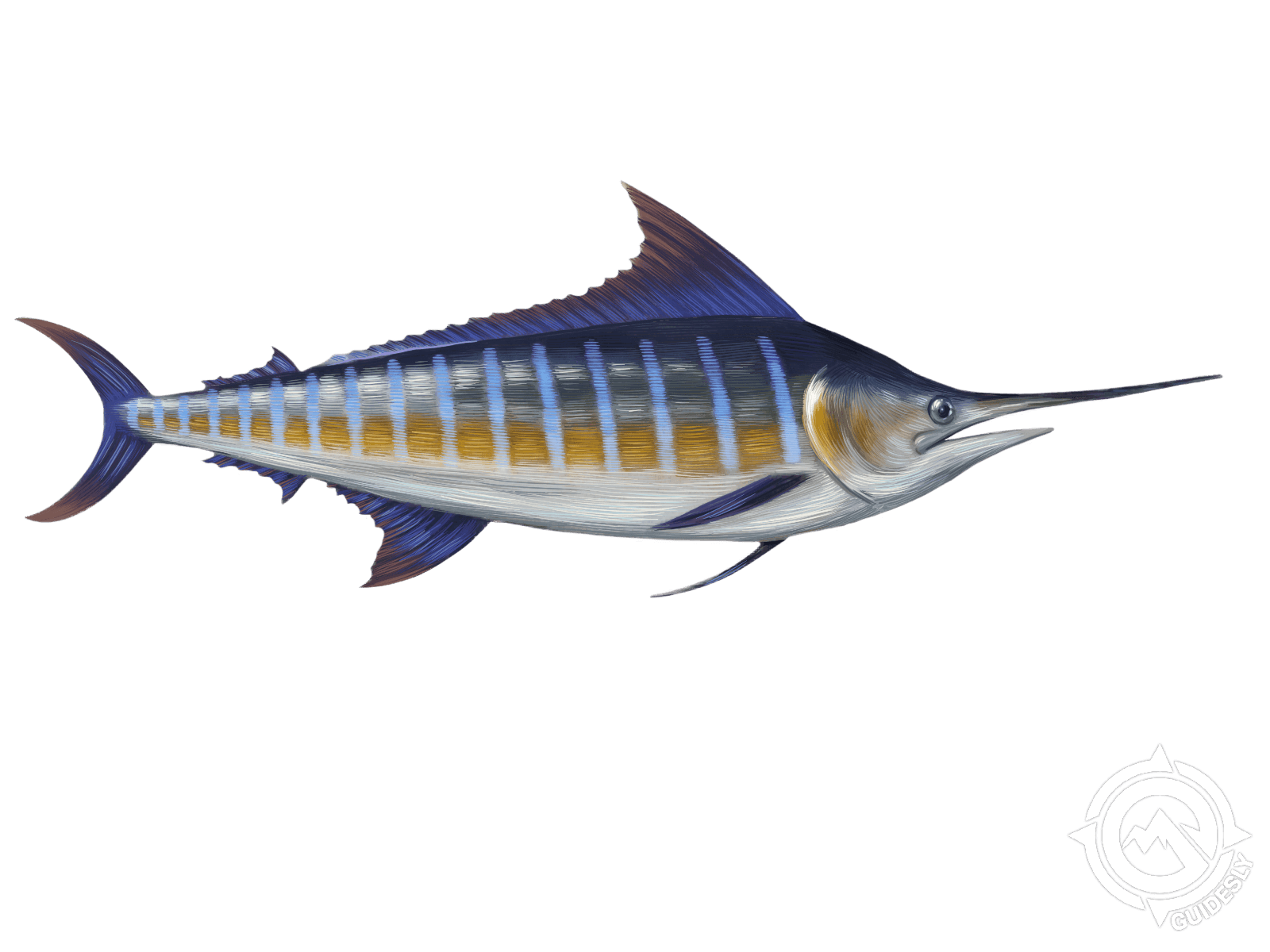
 Blue Marlin
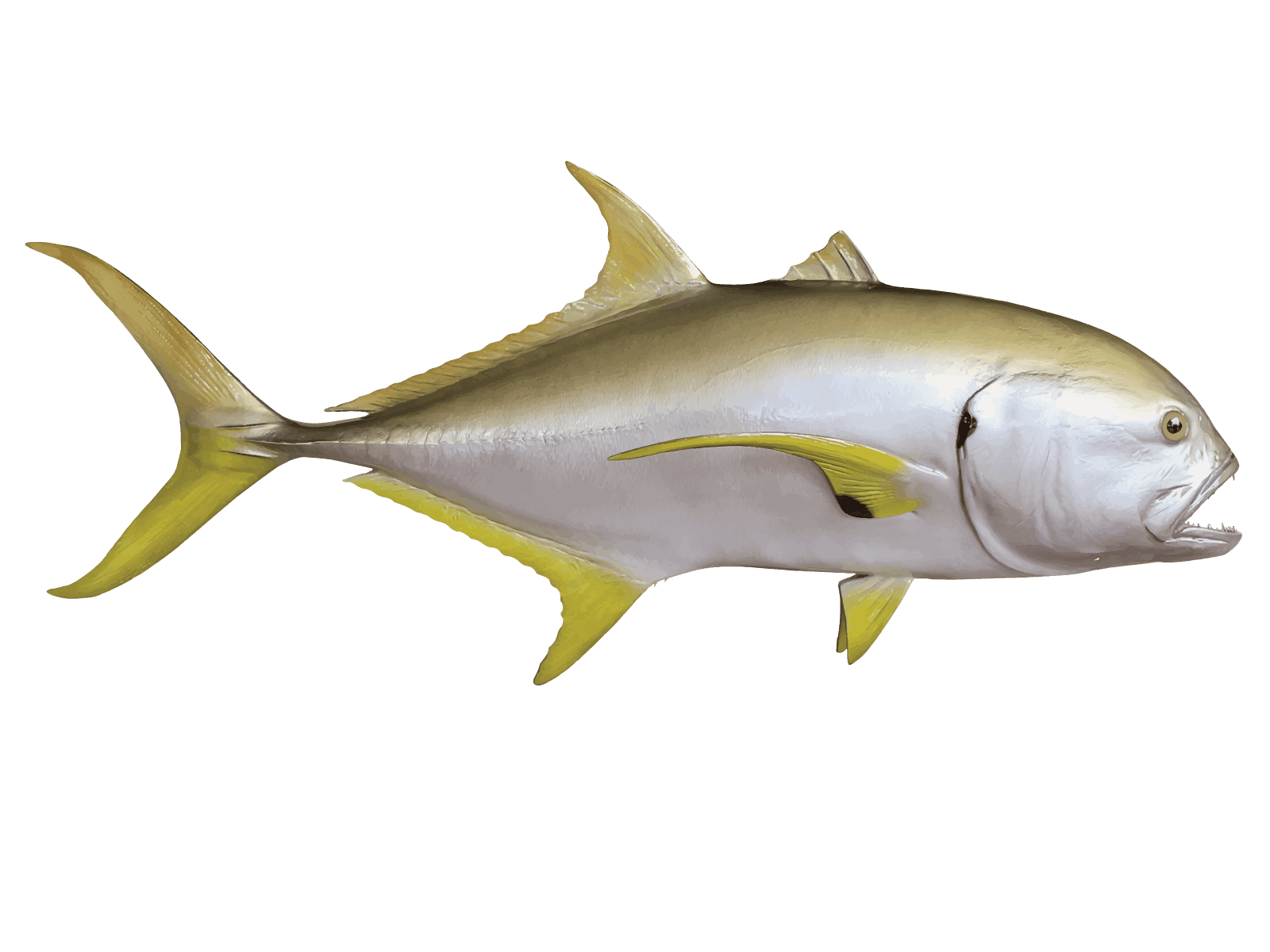
 Crevalle Jack
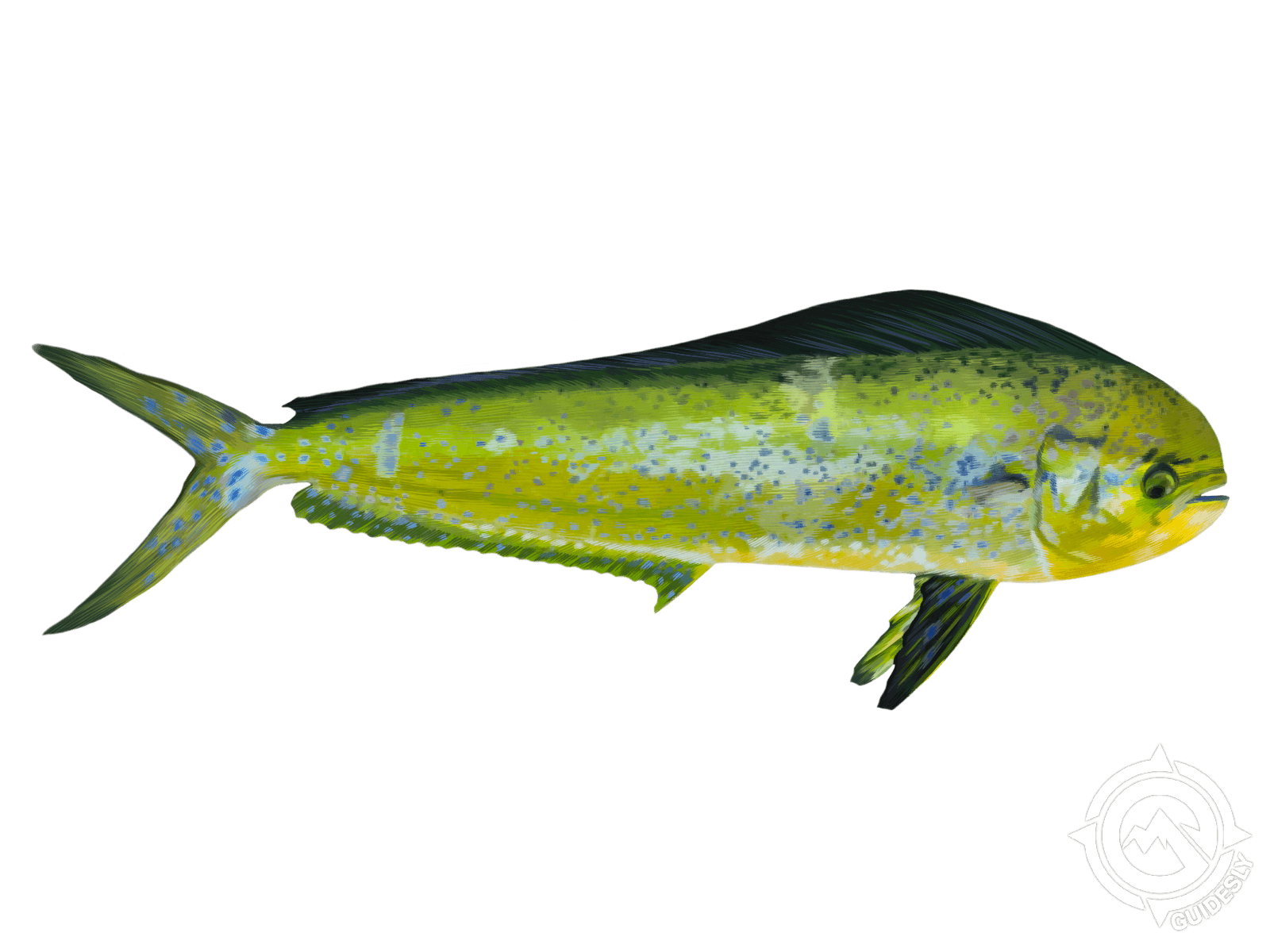
 Mahi Mahi or Common Dolphinfish
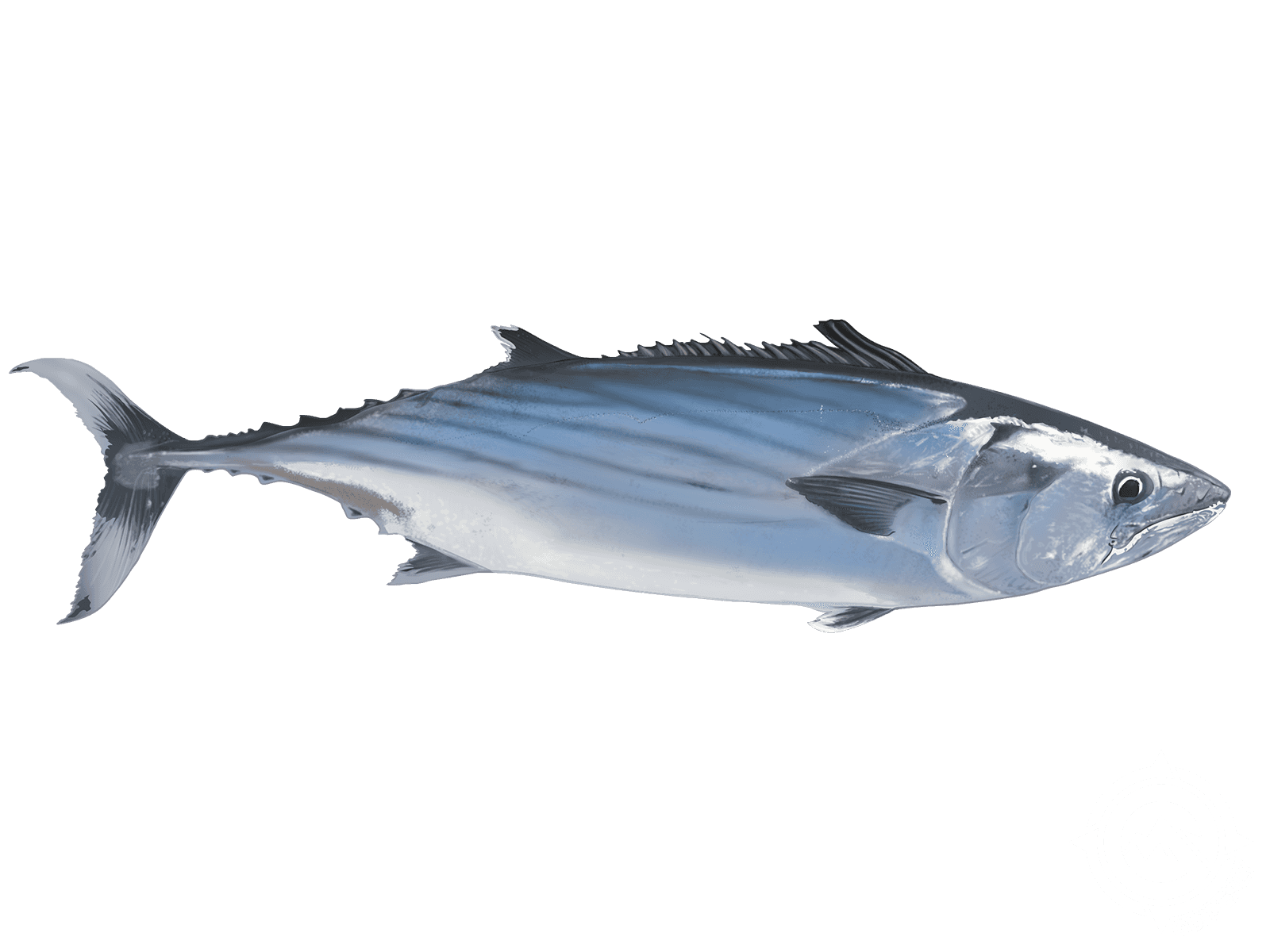
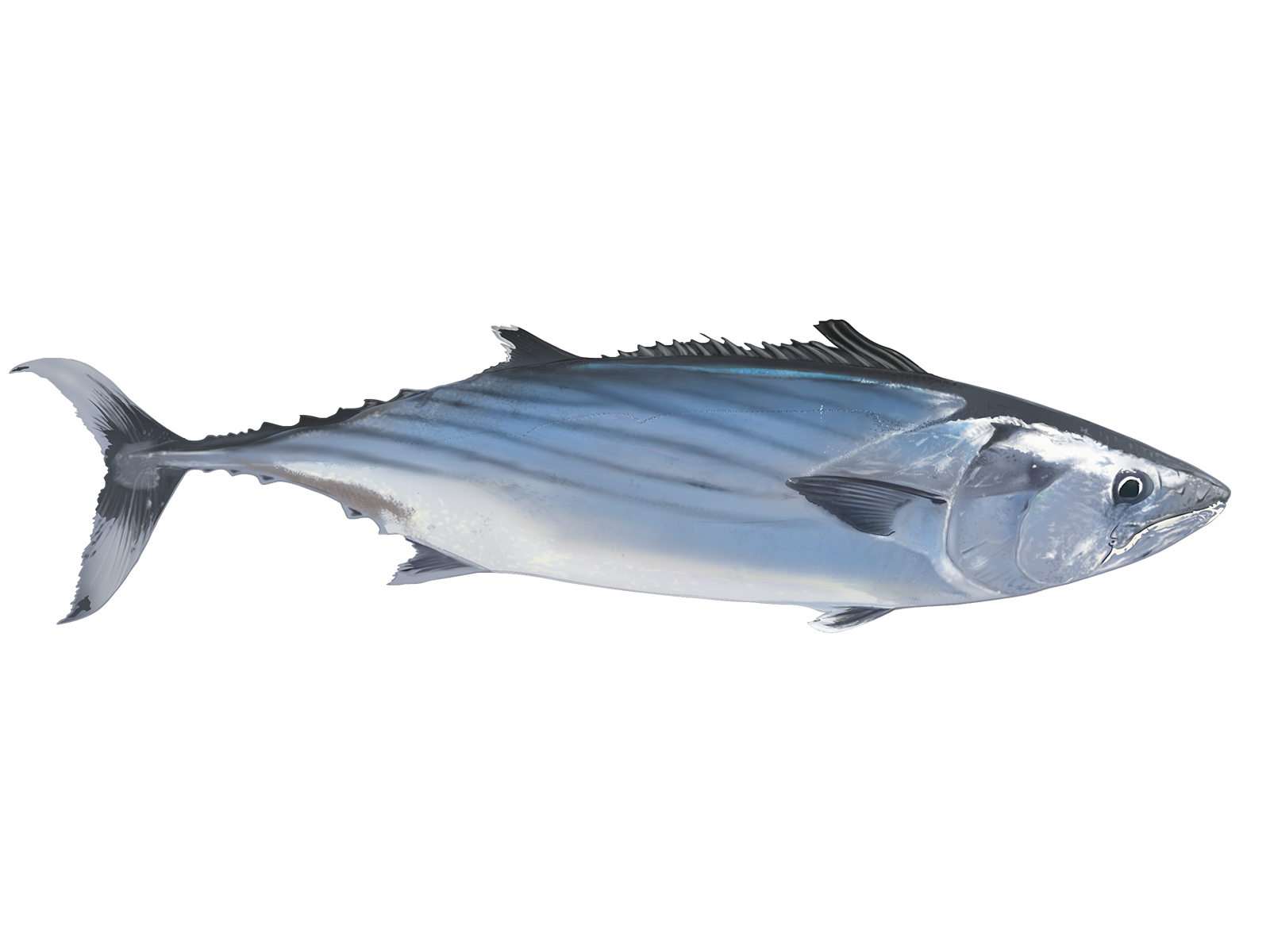 Pacific Bonito
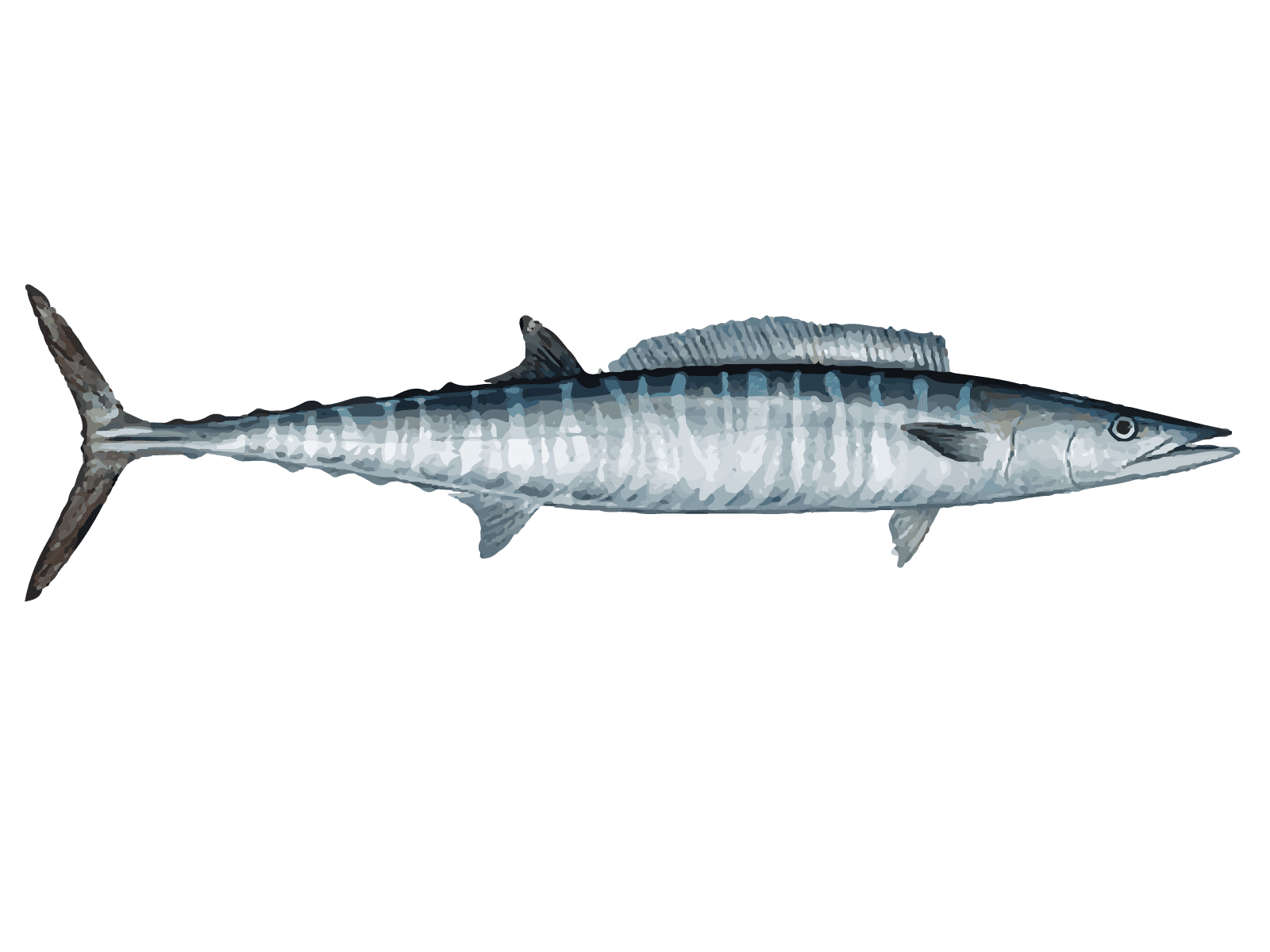
 Wahoo Fish
- 6-hour deep-sea fishing targeting Mahi Mahi, Wahoo, and Blue Marlin
- Professional crew provides expert equipment and techniques for all skill levels
- Accommodates 4 guests with trophy fishing opportunities in Trinidad waters
Trip Pricing and Availabilities:
Reel in the Big Ones: Trinidad's Offshore Adventure
Get ready to feel that heart-pumping rush as you battle with some of the Caribbean's most sought-after fish species on this 6-hour offshore trip. We're heading out to the deep blue waters off Trinidad and Tobago, where the real monsters lurk. Whether you're a seasoned pro or it's your first time holding a rod, our crew's got your back. We'll be chasing after the likes of Blue Marlin, Mahi Mahi, and Wahoo – the kind of catches that'll have you telling stories for years to come.
What to Expect on the Water
As soon as we clear the harbor, you'll feel the anticipation build. The gentle roll of the waves, the salty breeze in your hair – this is what offshore fishing is all about. We'll cruise out to the hotspots where the big boys play, about 20-30 miles offshore. Our captain knows these waters like the back of his hand, so you're in for a treat. We've got top-notch gear on board, and we'll show you how to use it like a pro. Whether you're trolling for Wahoo or dropping lines for Jack Crevalle, you'll be in the thick of the action. And hey, even if the fish aren't biting (which is rare), the views of Trinidad's coastline fading into the distance are worth the trip alone.
Techniques That Land Lunkers
We don't mess around when it comes to fishing methods. We'll be using a mix of techniques to maximize your chances of a trophy catch. Trolling is our bread and butter out here – we'll set up a spread of lures and live bait to entice those pelagic predators. For the Mahi Mahi and Wahoo, we might do some run-and-gun fishing, chasing down birds and floating debris where these fish love to hang out. If we spot some surface activity, we'll break out the spinning gear for some exciting cast-and-retrieve action. And for those of you keen on testing your strength, we've got the heavy tackle ready for when a Blue Marlin decides to crash the party. Trust me, when that reel starts screaming, you'll be glad you came aboard.
Species You'll Want to Hook
Blue Marlin: The crown jewel of offshore fishing, Blue Marlin are the stuff of legends. These ocean giants can tip the scales at over 1,000 pounds and put up a fight that'll test every ounce of your strength. They're known for their spectacular aerial displays, leaping out of the water as they try to throw the hook. Best time to target them is from June to October when the waters warm up. Landing one of these beauties is a lifelong dream for many anglers, and out here, that dream can become a reality.
Mahi Mahi: Also known as Dorado or Dolphinfish, these are some of the most beautiful fish in the sea. With their vibrant blues, greens, and yellows, they're a sight to behold. But don't let their good looks fool you – they're fighters through and through. Mahi are known for their acrobatics and can put on quite a show. They're also delicious, so if you're looking to bring home dinner, these are a top choice. We find them year-round, but they're especially active in the warmer months.
Wahoo: If you're after speed, Wahoo is your fish. These streamlined torpedoes can hit speeds of up to 60 mph, making for some of the most exciting strikes you'll ever experience. When a Wahoo hits, hold on tight – they're known for blistering runs that can smoke a reel if you're not careful. They've got razor-sharp teeth too, so we use wire leaders to make sure they don't cut the line. Peak season is from November to April, but we catch them year-round.
Crevalle Jack: Don't let anyone tell you Jacks are just a bycatch. These bruisers will give you one of the toughest fights, pound for pound. They school up in big numbers, so when we find them, it's often non-stop action. Jacks are notorious for their powerful runs and stamina – they just don't know when to quit. They're available all year, but we see bigger schools in the summer months.
Pacific Bonito: These smaller cousins of the tuna family might not be the biggest fish out there, but what they lack in size, they make up for in numbers and fight. Bonito are fast, aggressive, and travel in large schools. When we find a school, it's like hitting the jackpot – multiple hookups and bent rods all around. They're great for novice anglers looking to build confidence, and they're a blast on light tackle. You'll find them here pretty much all year long.
Why Anglers Keep Coming Back
It's not just about the fish – it's about the whole package. The moment you step on our boat, you're part of the crew. We'll swap stories, share a few laughs, and create memories that'll last a lifetime. Our team's been doing this for years, and we've got the know-how to put you on fish, but we also know how to show you a good time. Whether it's your first time offshore or you're a seasoned salt, we tailor the experience to you. And let's be honest, there's nothing quite like that feeling when your rod bends double and line starts peeling off the reel. It's addictive, and it's why our guests keep coming back for more.
Time to Book Your Spot
So, what are you waiting for? This isn't just another day on the water – it's a chance to test your skills against some of the ocean's top predators. With room for up to 4 anglers, it's perfect for a group of friends or family looking for an unforgettable adventure. Remember, the big ones are out there waiting, and the only way you're going to catch them is if your line's in the water. Give us a call or book online, and let's get you out there where the action is. Trust me, once you feel that first strike, you'll be hooked for life. See you on the water!
Learn more about the species
Blue Marlin
Blue marlin are the giants of the billfish world, with females reaching up to 1,800 pounds and 16 feet long. These powerful fighters are prized game fish, known for their acrobatic jumps and blistering runs. You'll find them in the warm, deep waters off Trinidad and Tobago, typically beyond the continental shelf. Blue marlin are migratory, following warm currents, so peak season here is usually June to October. Anglers love the challenge – landing a blue marlin is a true test of skill and endurance. They're attracted to large, fast-moving lures, so we often troll at high speeds with big artificial baits or rigged ballyhoo. One local trick: keep an eye out for frigate birds – they often follow marlin feeding on the surface. Remember, these fish can get your heart racing, so be ready for an intense battle if you hook into one!
Crevalle Jack
Crevalle jacks are the bulldogs of the sea – tough, aggressive, and always ready for a fight. These powerful fish typically run 3-15 pounds here, though they can reach up to 60 pounds. You'll find them both inshore and offshore, often around structures like reefs or oil rigs. Jacks are year-round residents, but they're especially active in warmer months. Anglers love them for their hard-pulling, never-say-die fighting style. They're not known for great eating, but they're some of the strongest pound-for-pound fighters you'll hook. To find jacks, watch for birds diving on bait schools – jacks often push bait to the surface. When you spot them feeding, cast a fast-moving lure like a topwater plug or metal spoon right into the frenzy. One local tip: if you hear something that smells like watermelon, you're probably near a jack school!
Mahi Mahi or Common Dolphinfish
Mahi mahi are some of the most colorful fish you'll see, with electric blues, greens, and golds that fade quickly after catch. They typically run 15-30 pounds here, though the world record is 87 pounds. You'll find them near floating debris or weed lines, often in schools. Mahi are fast-growing and quick to bite, making them popular for anglers of all levels. Peak season off Trinidad is July to November. These acrobatic fighters put on a great show, leaping and tail-walking across the surface. Their firm, white meat is excellent eating too – some of the best-tasting fish in the ocean. When we spot a school, I like to keep one hooked fish in the water to hold the others nearby. Toss out small lures or bait and you can often catch several from the same school before they wise up and move on.
Pacific Bonito
Pacific bonito are small but mighty fighters, typically running 2-10 pounds here. These streamlined, tuna-like fish are known for their speed and stamina. You'll find them near the surface, often in large schools, from inshore waters out to about 100 miles offshore. They're most active here from June to November. Bonito are popular with anglers for their aggressive strikes and strong runs – they'll test your light tackle skills. While not as prized for eating as some other fish, they make great bait for larger species. To target bonito, look for birds diving on bait balls. Cast small, shiny lures like spoons or feathers and retrieve quickly. A local trick: use a bubble float to keep your lure near the surface where bonito feed. When you find a school, the action can be non-stop, so be ready for some fast-paced fishing!
Wahoo Fish
Wahoo are the speedsters of the ocean, capable of hitting 60 mph in short bursts. They're long, sleek fish, typically 3-5 feet and 15-30 pounds, though they can get much bigger. We find them year-round here, but fishing really heats up from July to November. Wahoo prefer open water near drop-offs and tend to be loners or in small groups. Anglers love wahoo for their blistering runs and spectacular jumps when hooked. They're also excellent eating – firm, white meat with a mild flavor. To target wahoo, we often troll at high speeds, 12-15 knots, using wire leaders to prevent bite-offs from their razor-sharp teeth. One local trick: try using a planer to get your lure down deeper, where the big ones often lurk. When a wahoo hits, hang on tight – the initial run can strip hundreds of yards of line in seconds!
About the 25 Ft Skiff
%2F%2Fusers%2Fa5d5a8c3-ec9f-4cc0-9990-398af7f69154%2Fvehicle_picture%2Fimage-2025-01-14t023403.025.png&w=1920&q=75)
Vehicle Guest Capacity: 4
Manufacturer Name: Yamaha
Maximum Cruising Speed: 45
Number of Engines: 1
Horsepower per Engine: 150
Ready to reel in some big ones? Join us for an action-packed 6-hour offshore fishing adventure in the beautiful waters of Trinidad and Tobago. Our seasoned crew will take you to prime fishing spots where you can try your luck at landing impressive catches like Mahi Mahi, Wahoo, King Mackerel, Blue Marlin, Bonito, and Jack Crevalle. Don't worry if you're new to deep-sea fishing - we've got all the gear and know-how to help you succeed. As we cruise further out, you'll be treated to stunning ocean vistas and fresh sea breezes. Whether you're dreaming of that trophy fish or just want a fun day out on the waves, this trip has something for everyone. Our boat comfortably accommodates up to 4 guests, so grab your friends or family and get ready for an epic day of fishing in paradise. Book your spot now and let's go chase some fish!